
November 11, 2026

Tongkat ali: a traditional herb with a thin evidence trail
Walk into any pharmacy or supplement shop in Malaysia and tongkat ali is hard to miss. The plant is Eurycoma longifolia, a slow-growing tree native to Southeast Asia, and its roots have a long history in traditional medicine. History is not the same as proof, though, and that gap is where most label claims live.
The US National Institutes of Health’s LiverTox database summarises what is known about tongkat ali in fairly sober terms. Human studies exist but are small and short. Some of them measured modest changes in hormone levels, yet reviewers do not link those changes to better athletic performance, and the products tested were not standardised. In other words, two capsules with the same name can differ a lot in what they contain.
What the safety notes say, and what they leave open
The same source says side effects at ordinary doses are uncommon and can include nausea, stomach discomfort, diarrhoea, headaches or a rash. Long-term safety in people has not been well documented. It also points out that capsules sold online sometimes carry much higher amounts than the quantities used in traditional practice, which is a reason to read the dose line twice.
A few practical consequences follow. Anyone on regular prescription medicines, pregnant, breastfeeding or living with a liver condition should check with a doctor or pharmacist first, whatever the herb. Nobody needs to panic about a capsule that has been used for years in Malaysia. But “natural” and “traditional” are descriptions of origin, not safety statements.
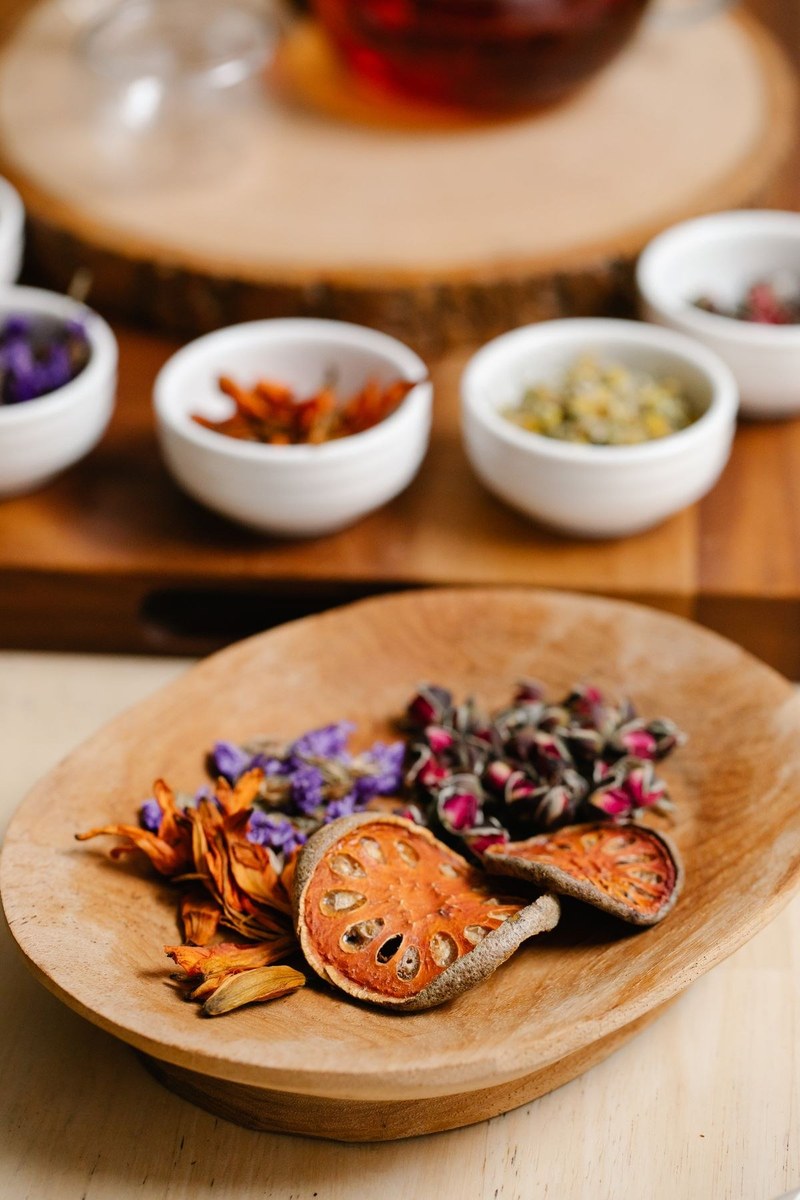
Multi-herb capsules, collagen and hair products ask different questions
Single-herb capsules are only one shape this aisle takes. Some products combine many plants, and the label can run to a long list. One 19-herb capsule formula is a handy example of how a label reads when tongkat ali shares space with other ingredients. The questions then multiply: how much of each, in what form, and whether any of the others interact with your medicines.
Collagen is a different case. It is a protein, and hydrolysed collagen is simply collagen broken into smaller pieces. Your body digests it like other dietary protein. Research on skin and joints is mixed and many studies are small, so an honest label talks about “supporting” rather than promising. A retailer such as Nano Singapore, on its collagen product page, shows the kind of detail worth looking for: serving size, source, other ingredients.
Hair is the trickiest. Thinning has many causes, including genetics, thyroid problems, low iron, stress, childbirth and some medicines, and a supplement helps mainly when there is an actual shortfall. A blog roundup from one retailer is a decent starting point for names and ingredients, but sudden or patchy hair loss deserves a doctor’s visit first.
Registration, labels and the pharmacist’s counter
Singapore’s Health Sciences Authority keeps a page on health supplements that explains how they are regulated, which health claims are permitted, and where its list of notified products sits. Malaysia has its own regulator in the National Pharmaceutical Regulatory Agency, and the habit is the same in both countries: look for a registration or notification number on the pack, then check it against the regulator’s records instead of trusting the sticker.
A pharmacist and a host talk through supplements and drug interactions (about 21 minutes).
Beyond the registration number, read the active ingredient names, the amount per serving, the directions and the warnings. Be wary of any pack that promises to treat, reverse or cure a condition. Supplements are not medicines, and the better labels are written that way.
A short routine before the next purchase
Keep a note on your phone listing everything you take, including vitamins and herbs, with doses. Show it to the pharmacist whenever you add something new, and ask one plain question: does anything here clash with my regular medicines? Then choose one product at a time, so that if you feel off you know what changed.
The US National Center for Complementary and Integrative Health has a short guide on using dietary supplements wisely. It reminds readers that “natural” does not always mean safe, and that a label saying “standardised” does not guarantee quality. It is worth reading once before the next shopping trip, and it takes less time than comparing three labels.