
Fertile Window and Cycle Tracking in Malaysia: A Plain-English Guide
October 22, 2026
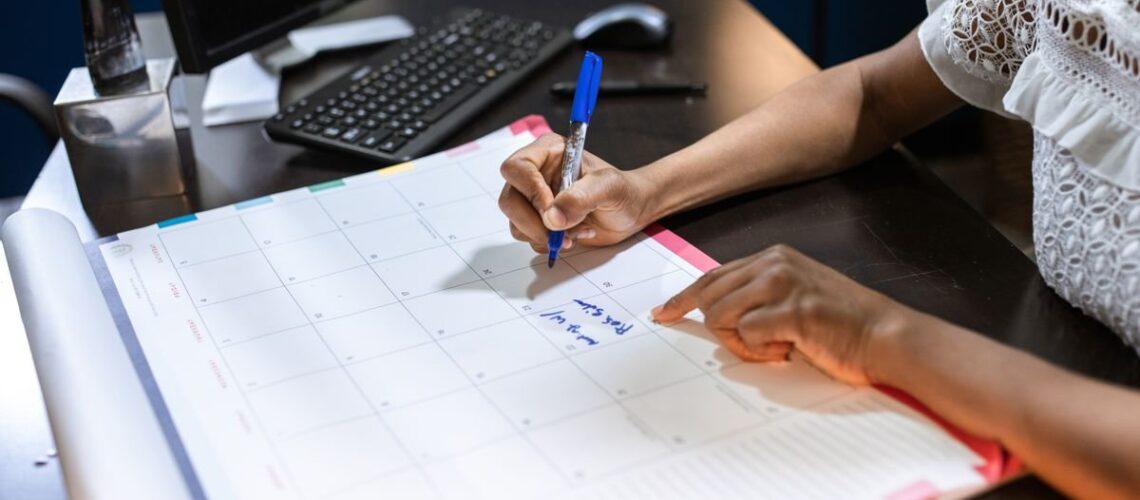
Your cycle is a pattern, not a calendar promise
Many couples in Malaysia start trying for a baby armed with one rule they heard somewhere: ovulation happens on day 14. For some people it does. For many others it does not, and cycles that vary by a few days each month are completely normal. Treating the cycle as a pattern to understand, rather than a fixed date, takes a lot of pressure off.
A menstrual cycle runs from the first day of one period to the day before the next. Ovulation, when an egg is released, usually happens roughly two weeks before the next period starts, not two weeks after the last one began. That small shift in thinking explains why counting from the wrong end so often misses the mark. For a reader-friendly breakdown in Malay, a cycle and fertile-phase guide written for Malaysian readers walks through the phases step by step.

Finding the fertile window without an app obsession
The fertile window is the few days leading up to ovulation plus the day of ovulation itself. Sperm can survive for several days, while the egg lasts around a day, which is why the days before ovulation matter most. The NHS page on fertility in the menstrual cycle explains this timing clearly.
There are a few common ways to spot it. Some people notice clearer, stretchy cervical mucus as ovulation approaches. Others use ovulation test kits from the pharmacy, which detect a hormone surge. Basal body temperature charts show a small rise after ovulation, which is better for learning your pattern over months than for timing in the moment.
A fertility doctor explains ovulation, the fertile window and the main ways people track their cycles.
Apps can help with record keeping, but their predictions are only as good as the data you give them. Many doctors simply suggest regular intimacy every two to three days through the cycle, which avoids turning every month into a stressful project.
When cycles are irregular, PCOS is one possibility
If periods are very irregular, very far apart or missing for months, ovulation may not be happening regularly. Polycystic ovary syndrome is one of the most common reasons. It can also bring acne, extra hair growth and weight changes, though not everyone has every sign. Some health services now use a newer name for the condition, so do not be thrown if you see different labels online.
The US Office on Women’s Health PCOS page gives a balanced overview of symptoms and how it is diagnosed. For a local explainer, an explainer on PCOS causes and signs covers the basics in Malay. PCOS is manageable, and many people with it go on to conceive, but it deserves a proper medical assessment rather than guesswork.
Drinks, hydration and what pregnancy actually needs
Once pregnancy is confirmed, or while trying, many women get flooded with advice about special drinks. Water remains the foundation. Milk and other calcium sources, plus a balanced diet, matter more than any single product. Caffeine is usually advised in moderation, and herbal mixtures should be checked with a doctor or pharmacist first.

If you are curious what is commonly suggested, this round-up of pregnancy drinks lists familiar options. Read it as ideas to discuss with your antenatal team, not a prescription.
When to stop tracking alone and ask for help
Fertility takes time even for healthy couples. As a general guide, it is sensible to see a doctor after a year of regular trying, or sooner if the woman is in her mid-thirties or older, cycles are very irregular, or there is a known health issue. Male factors account for a significant share of difficulties, so both partners should be part of the conversation. The WHO fact sheet on infertility explains how common these challenges are worldwide.
Bring your notes: cycle lengths, any test kit results and questions you want answered. A few months of honest records usually make that first visit far more useful.